Leverage Leadership Institute Fellowship

For Leaders Already Getting Results—Who Want to Go Further

The LLI Fellowship is designed for exceptional school leaders. We look for principals and principal managers who are already achieving strong outcomes—typically in the top tier of their district or state—and who are ready to raise the ceiling on what’s possible.

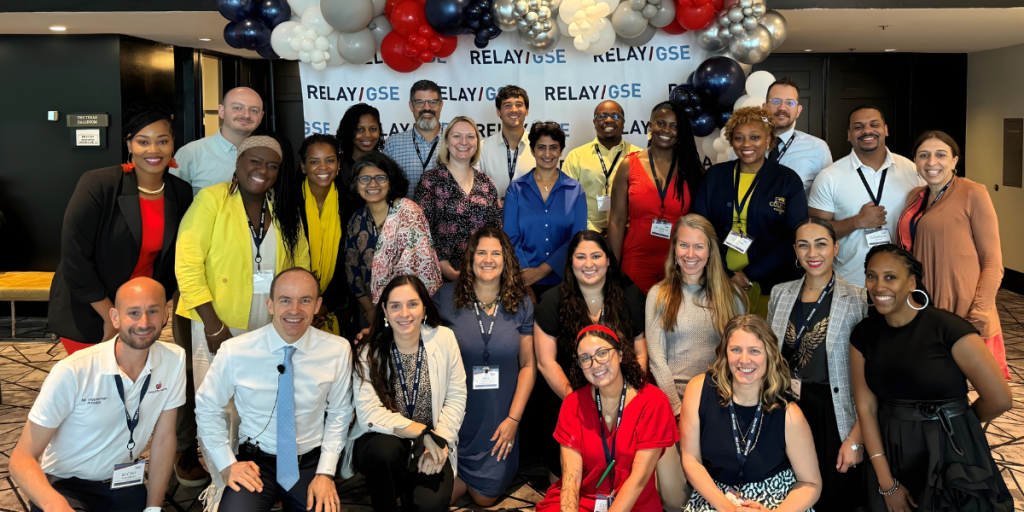
Delivered in collaboration with Relay Graduate School of Education, the fellowship draws on more than a decade of high-impact partnership.

Selective. Tuition-Free. Global.

The LLI Fellowship is a tuition-free, highly selective program. We admit a small cohort each year—leaders who are ready to learn, practice, and lead at the highest level. 

The LLI Fellowship Application for 2027-28 will be available Fall 2026.

Cohort 13: 2026 - 2027

Why LLI

Most leadership training focuses on theory—or on helping struggling schools improve. LLI is different.

We develop leaders to reach levels of performance that are rarely seen—and even more rarely replicated.

What Makes LLI Different

Most leadership programs help leaders improve. LLI is built for leaders who are already strong—and want to become extraordinary.

  • Practical, not theoretical: You learn what to do—and use it immediately in your school
  • Proven, not philosophical: Every practice is grounded in schools achieving exceptional results
  • Practiced, not just learned: You don’t just study—you rehearse, refine, and master
  • Replicable, not maverick: You build systems others can follow—so your impact multiplies
  • From the source: You are coached directly by Paul Bambrick-Santoyo and Kathleen Sullivan at every session of the fellowship
  • Made possible through partnership: The Fellowship is offered tuition-free through LLI’s longstanding collaboration with Relay Graduate School of Education

The Experience

Over one year, Fellows engage in an intensive, in-person program designed to build mastery in the seven core levers of leadership:

  • Data-driven instruction
  • Planning
  • Observation & feedback
  • Leading Professional Development
  • Student Culture
  • Staff Culture
  • Coaching Leadership Teams

Program Structure

All sessions in person:

  • 2-day Orientation
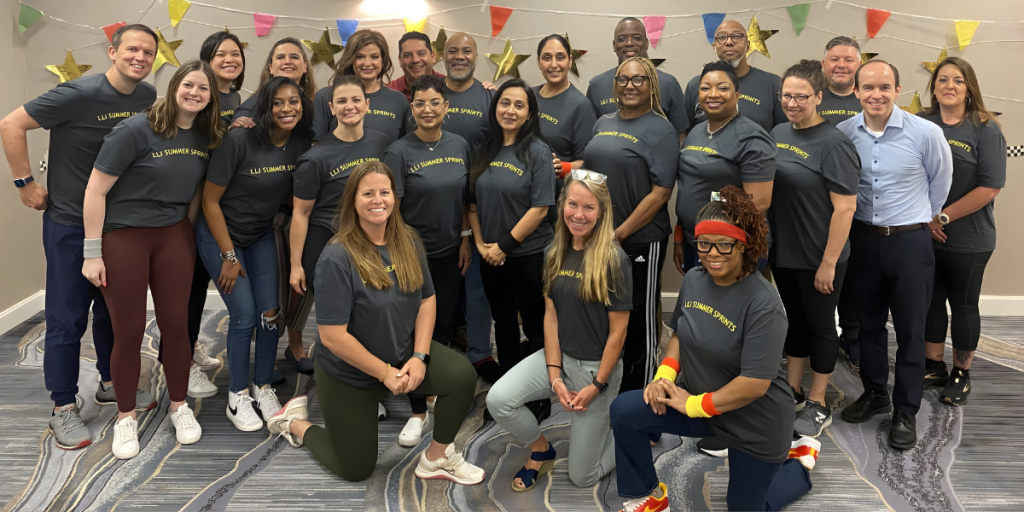
  • Week-long Summer Intensive
  • Four 2–3-day Intersessions
  • Regular implementation of practices between intersessions

What You Gain

  • Direct coaching from expert practitioners: one-on-one coaching and video-based analysis
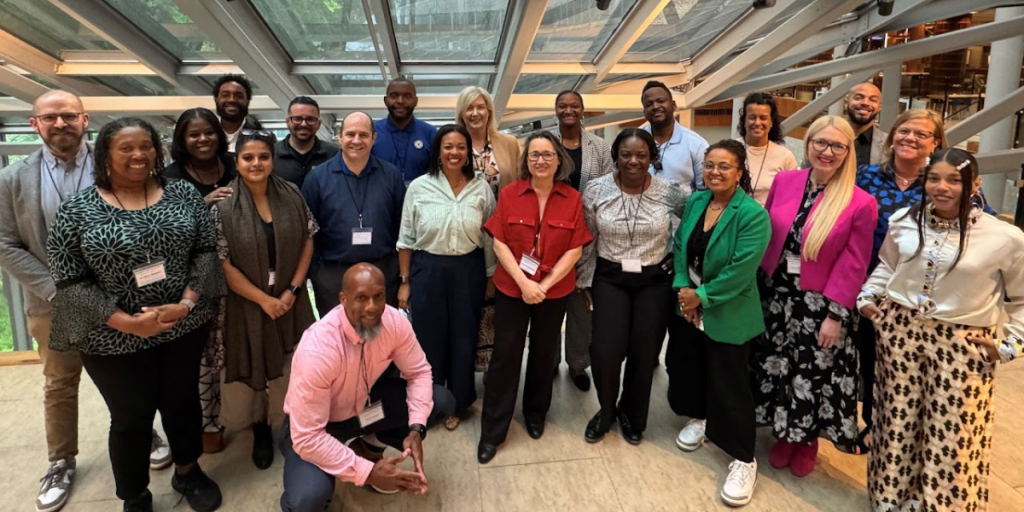
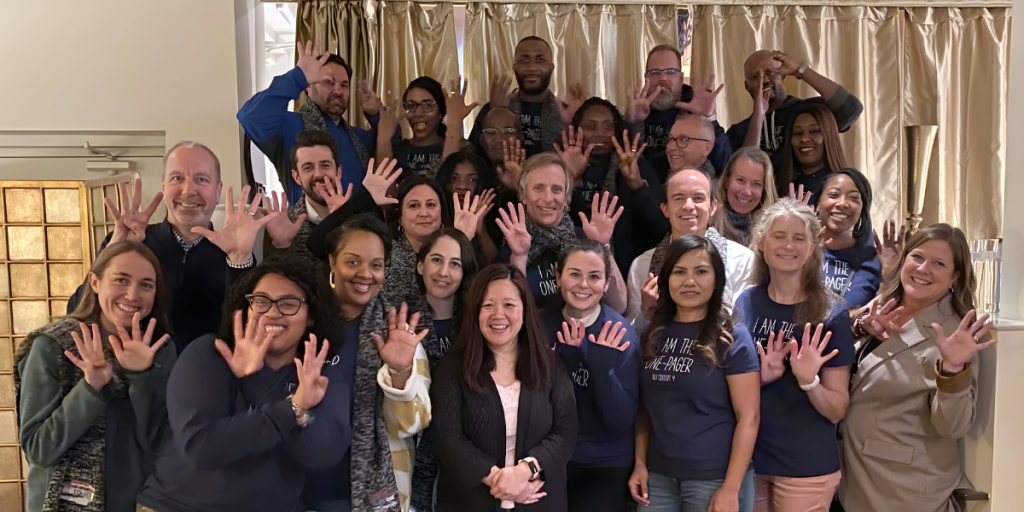
  • A cohort of elite peers: 25 high-performing leaders from around the world
  • Deep practice and feedback
  • Cutting edge content: the latest, freshest tools, exemplars, and frameworks used in top-performing schools
  • Opportunities to extend your impact: Become a Proof Point, Instructor, or member of the LLI faculty

The Outcome

Fellows don’t just improve their own schools.

They become leaders who:

  • Achieve exceptional results
  • Coach others to do the same
  • Build systems where excellence spreads

LLI Cohort Alums

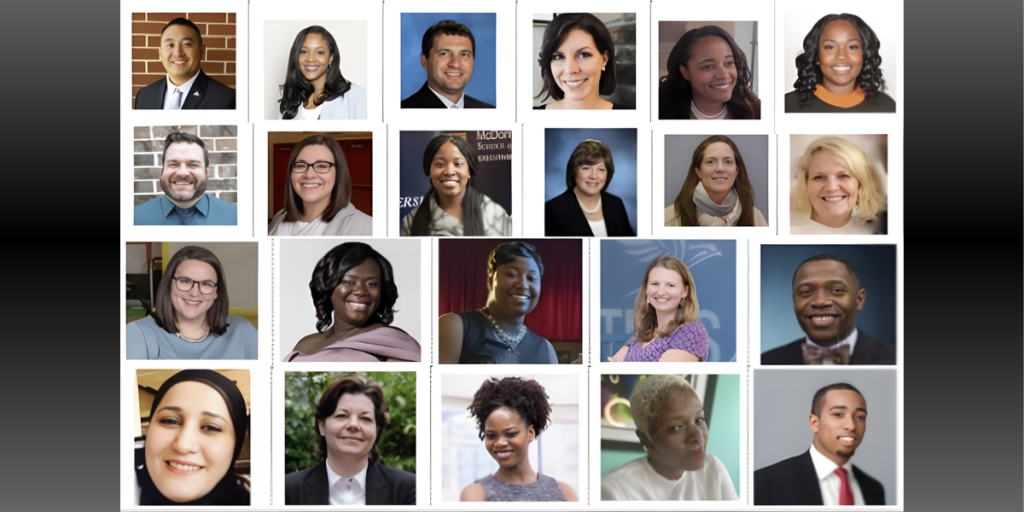
Click on the thumbnails below to view profiles from each cohort.

Cohort 13: 2026 - 2027
Cohort 12: 2025 - 2026
Cohort 11: 2024 - 2025
Cohort 10: 2023 - 2024
Cohort 9: 2022 -2023
Cohort 8: 2021 - 2022
Cohort 7: 2020 - 2021
Cohort 6: 2019 - 2020
Cohort 5: 2018 - 2019
Cohort 4: 2017-2018
Cohort 3: 2016-2017
Cohort 2: 2015-2016
Cohort 1: 2014-2015 (Founding Class)

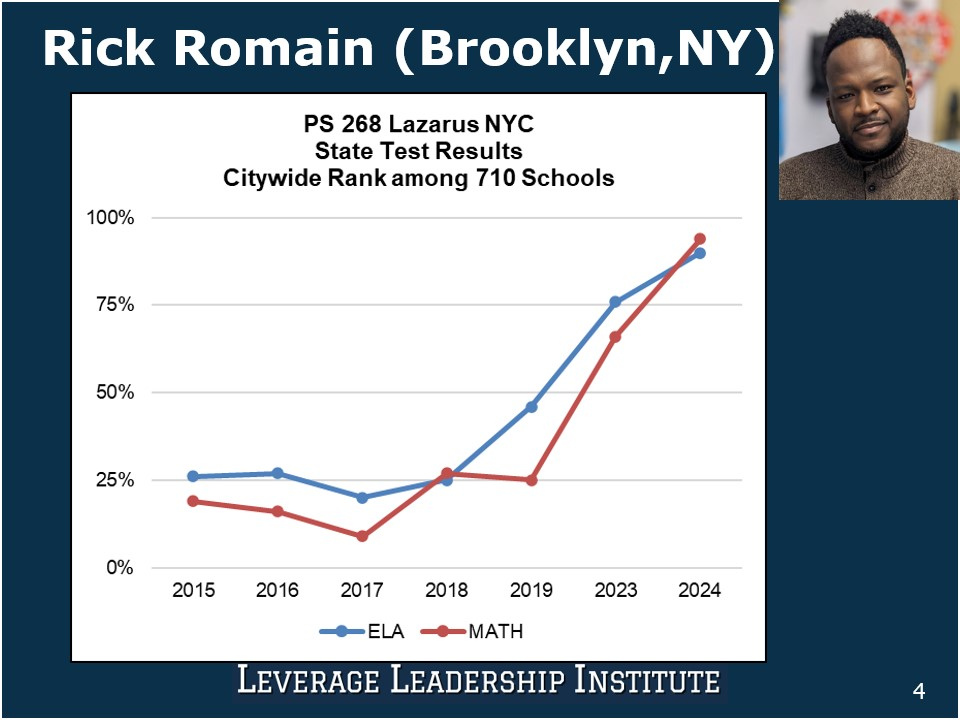
When Rick Romain became principal of PS 268 in New York City, the school was the lowest performing in the district and expectations were equally low. In just a few years, he led one of the most dramatic turnarounds in the city, culminating in the school becoming #1 in the district by 2025. His leadership is a powerful example of what focused, consistent coaching on culture and data can achieve.

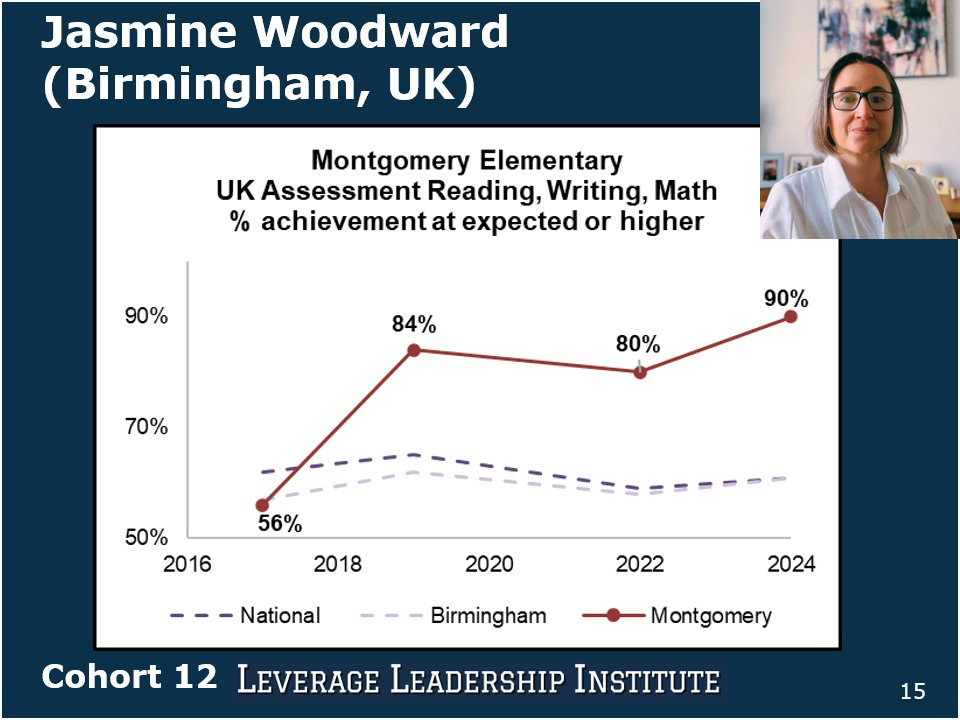
Jasmine Woodward led Montgomery Elementary from turnaround status to one of the highest-performing schools in the UK. The school has sustained over 80% proficiency for seven consecutive years. By shifting professional development from talk to practice and modeling, she dramatically improved teaching quality and student achievement.

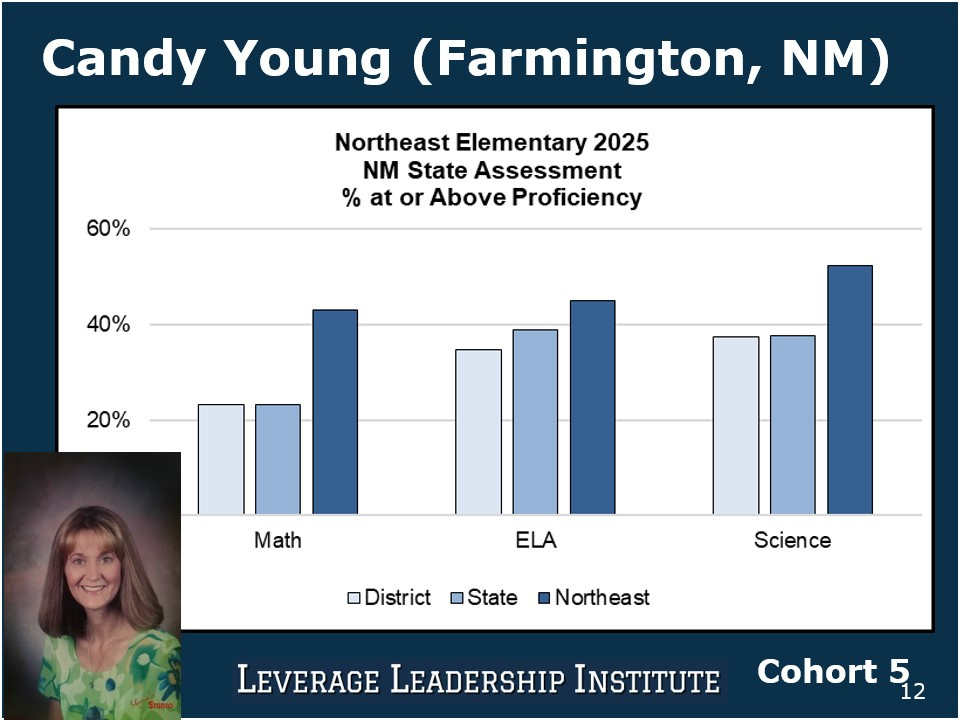
Candace Young transformed Northeast Elementary from an F-rated school into a National Blue Ribbon School that consistently outperforms the state. By focusing her team on whether students actually learned—and responding immediately when they didn’t—she created a system where gaps are closed in real time.

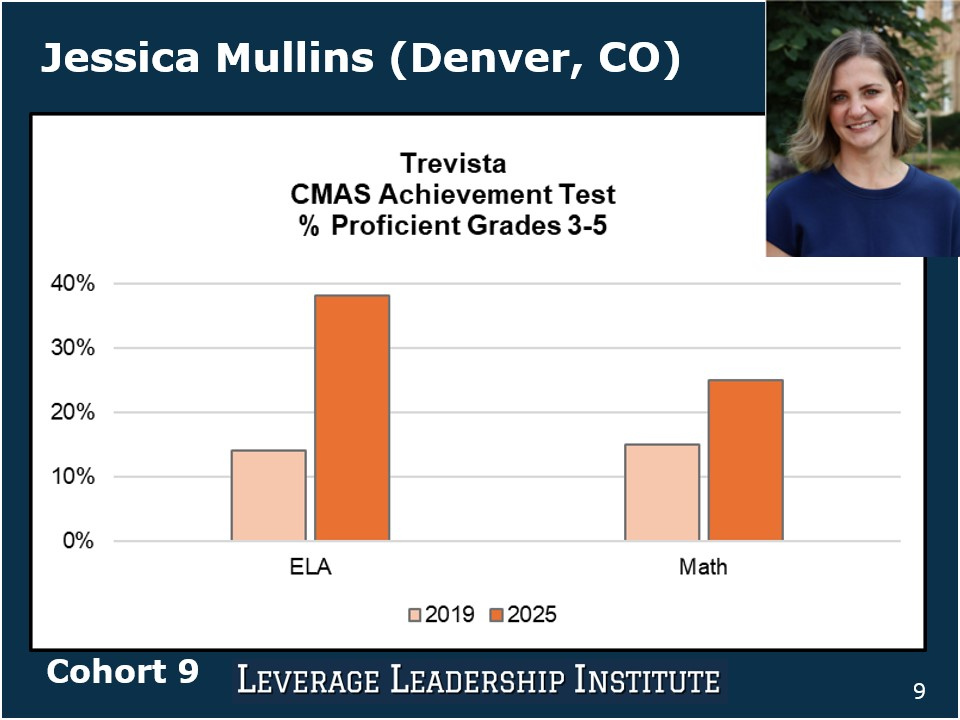
Jessica Mullins’s leadership reflects the impact of consistent instructional focus and team alignment. By ensuring that teaching practices remained tightly connected to student outcomes, she helped drive meaningful and sustained gains in achievement.

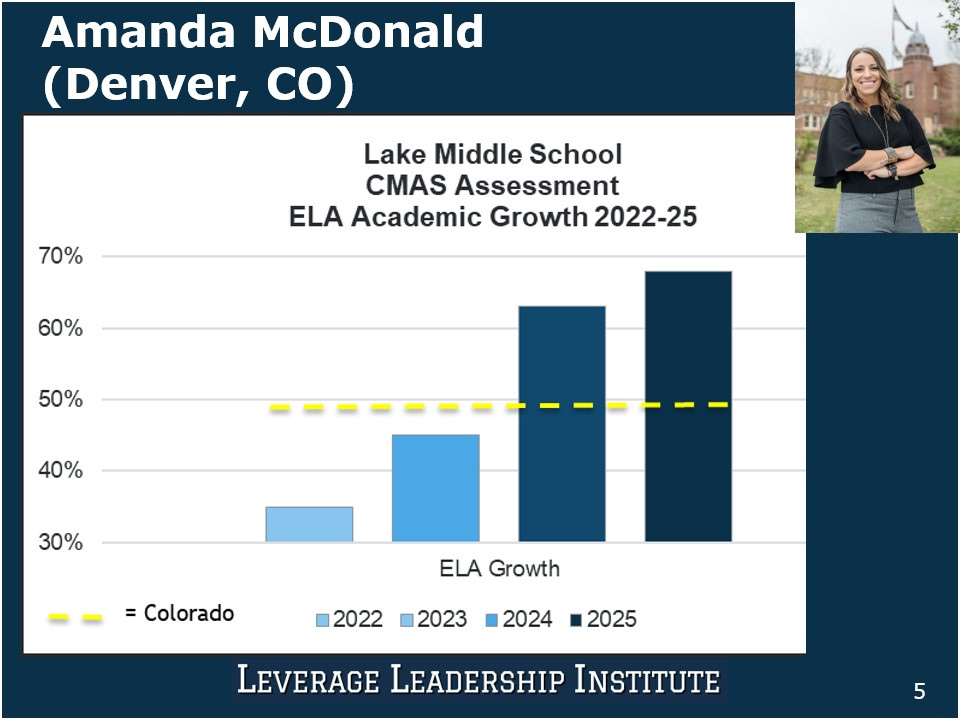
Amanda McDonald’s leadership highlights the power of staff culture as a driver of student achievement. By aligning and strengthening her team, she created the conditions for rapid and sustained improvement. Her work shows that when adults operate as a unified, high-performing team, student results follow.

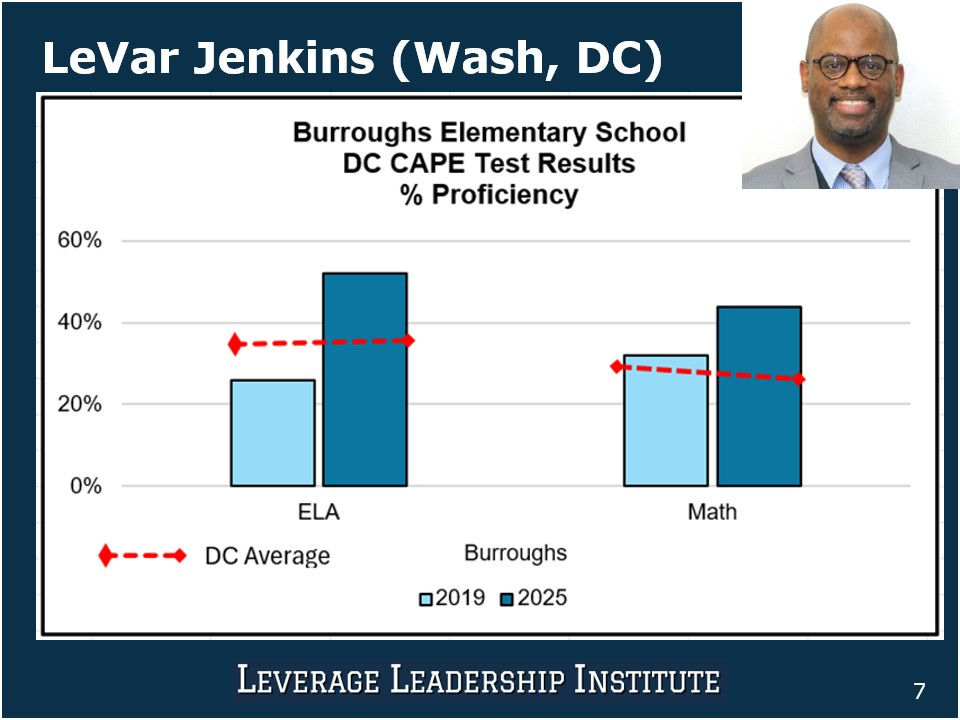
LeVar Jenkins transformed Burroughs Elementary by building a strong, consistent student culture that set the foundation for academic success. As expectations became clear and practiced daily, student achievement surged. His work demonstrates that culture is not an add-on—it is a core driver of results.

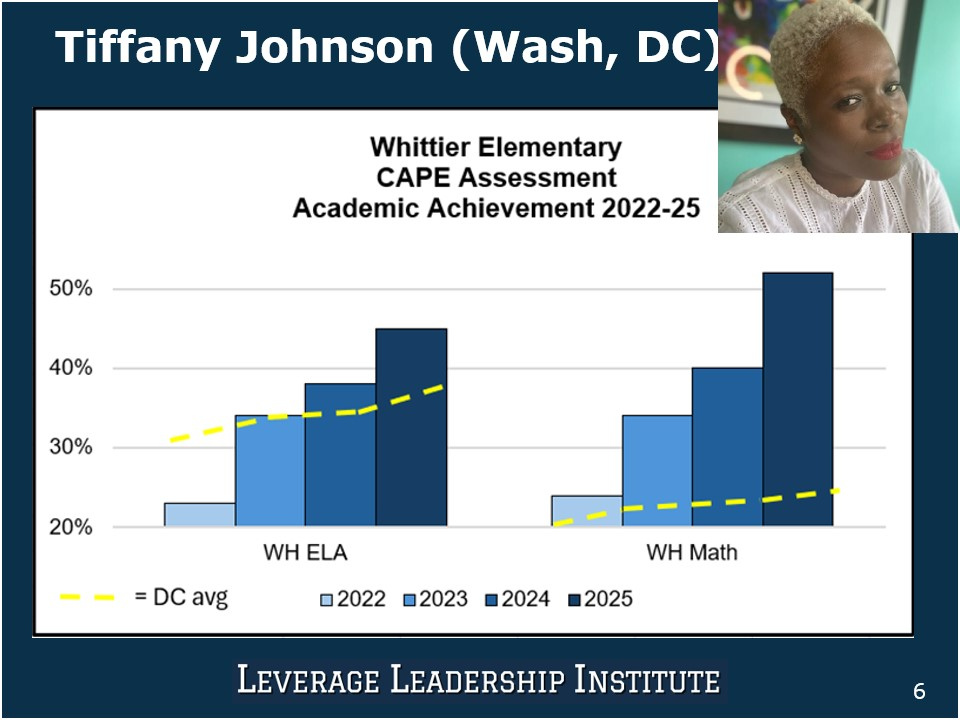
Tiffany Johnson led Whittier Elementary to some of the fastest post-pandemic gains in Washington, DC, earning recognition for bold, sustained improvement. By focusing leadership team time on instruction and teacher development, she built a system that continuously strengthens teaching and accelerates student learning.

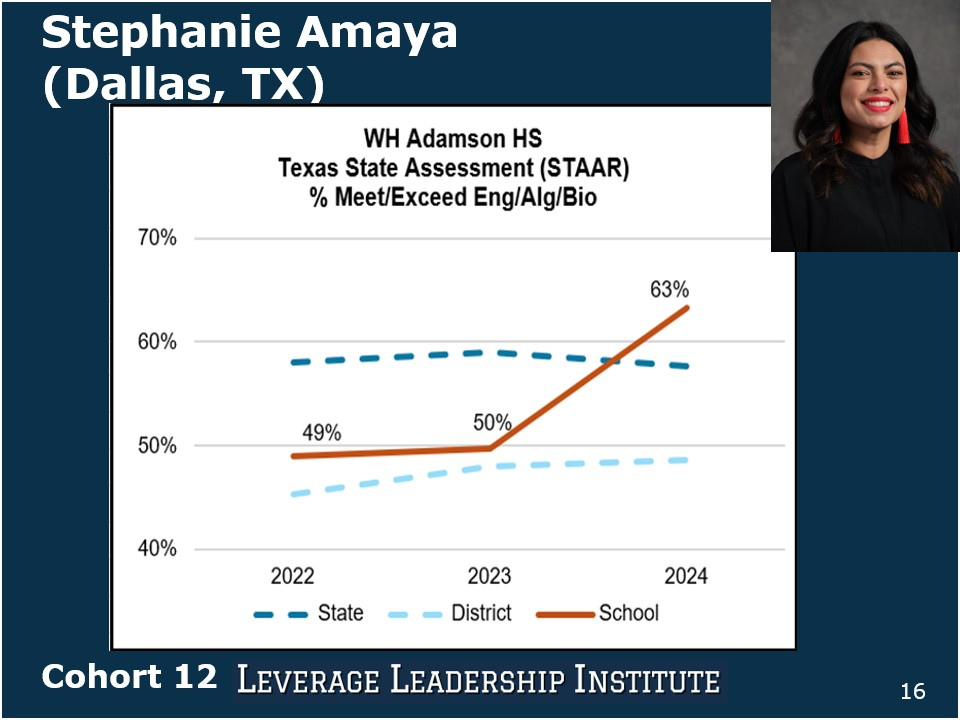
Stephanie Amaya led WH Adamson High School to an A rating—the only comprehensive high school in Dallas to achieve that distinction. Her leadership transformed a culture of low expectations into one of excellence, proving that strong community and clarity of purpose can drive extraordinary results.

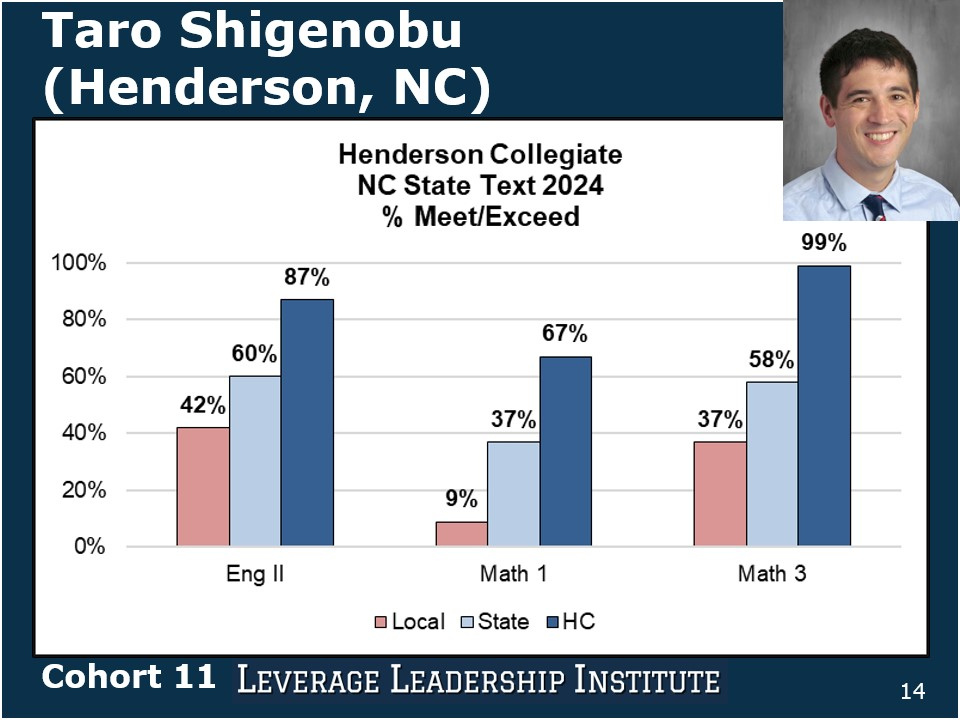
Under Taro Shigenobu’s leadership, Henderson Collegiate High School rose to become one of the highest-performing schools in North Carolina, outperforming the state by 33%. The school earned recognition as a National Title I Distinguished School, proving that rigorous planning and aligned instruction can drive exceptional outcomes for all students.

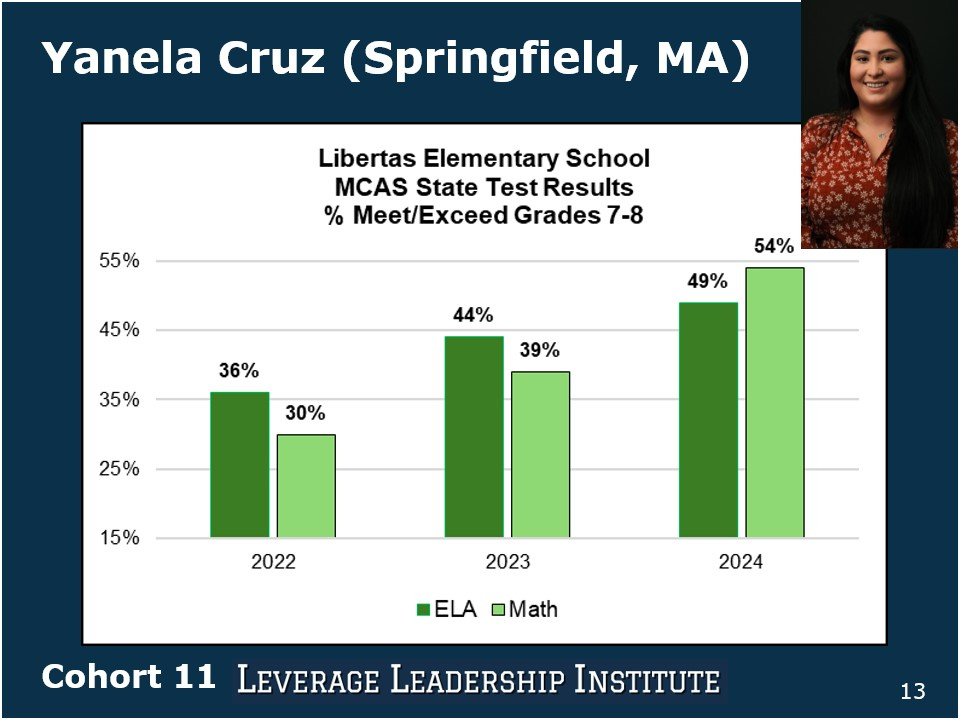
Yanela Cruz demonstrated how strong student culture and data-driven instruction can drive transformation in even the most challenging contexts. By building consistent expectations and a sense of belonging, she helped create an environment where students could fully engage and succeed academically.

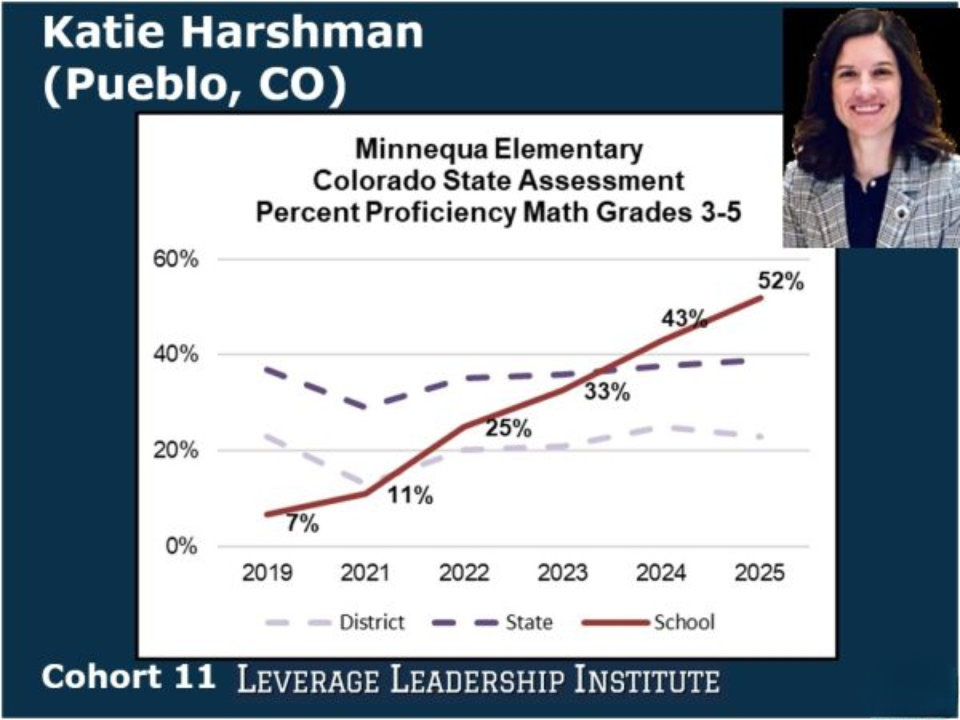
When Katie Harshman arrived at Minnequa Elementary, fewer than 10% of students were proficient. Through consistent observation and feedback, the school achieved 40-point gains across subjects, becoming one of the top-performing schools in the district. Her work shows how rapidly student outcomes can improve when teacher development is prioritized.

Marie Culihan led the Albany School of the Humanities to dramatic gains of over 30 points in ELA and 40 points in Math, earning national recognition as a Distinguished School. Her disciplined approach to time and preparation ensured consistent execution of high-impact leadership practices, translating directly into student success.